


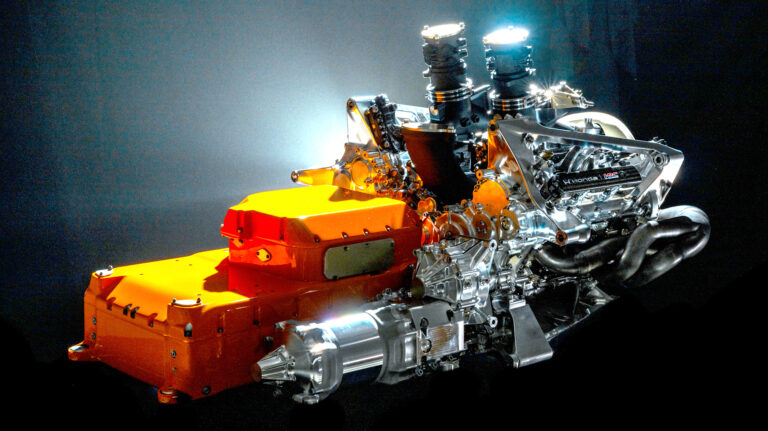
Honda has returned to F1 as a works partner of Aston Martin, with the new partnership’s season getting off to something of a rocky start. However, the abilities of Honda’s teams in Sakura City in Japan and Milton Keynes in the UK should never be underestimated, as its comeback in the last rules cycle to provide a multiple championship-winning power unit proved.
PMW Magazine gained an exclusive audience with Honda Racing’s Shintaro Orihara, trackside general manager and chief engineer. Speaking in Bahrain pre-season, he was under no illusions as to the difficulties the new regulations present to a power unit manufacturer. 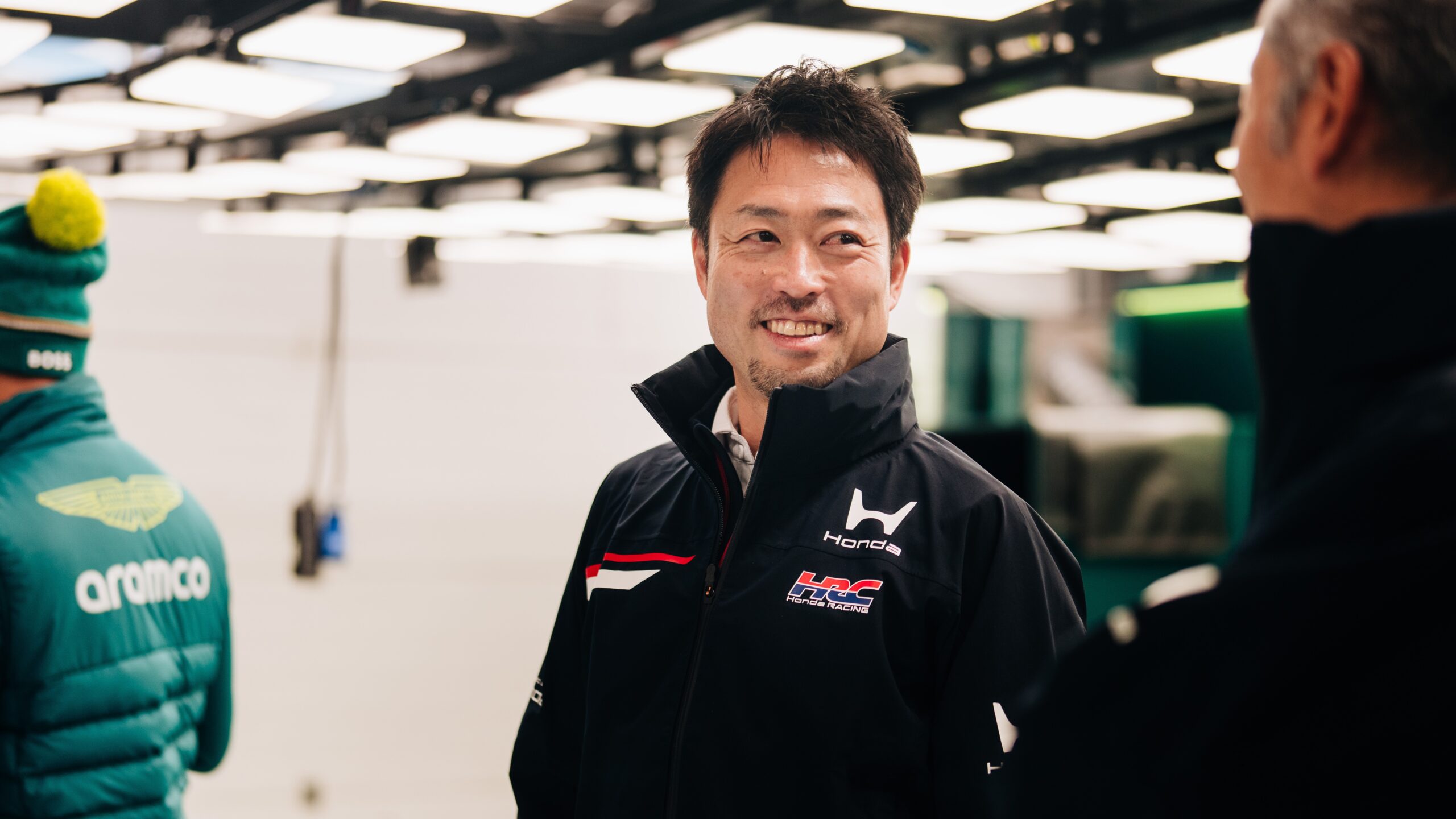
Top of the list of challenges is handling a 350kW MGU-K with a relatively tiny energy store. “The MGU-K power is massive, but the battery volume is the same as the last regulations,” Orihara explained. “It has become much more difficult to manage the energy, so we need to harvest as much as possible and deploy as much as possible.”
The resulting demands on the energy store, and the management of its energy content, are therefore much greater than before. “The battery SoC swings a lot and also, the power difference between MGU-K on and off is a huge difference. Where we deliver max power, that is a very difficult point,” he said.
Of course, none of this is news, and Honda has been working extensively off-track to nail this balancing act, but it was only once cars were on track in Bahrain that the subtleties became apparent. “We learned this is a very unique regulation through this winter testing. So now we are learning a lot in terms of energy management, that is most challenging for us. The lap time sensitivity [around energy management] is much higher than last year.”
Orihara said that athough much preparation work was undertaken prior to the power unit’s track debut at the Barcelona test, “discussion and actual operation is quite different”. However, he was happy that both parties are approaching the development of the trackside and operational relationship with an open mind.
Works relationship
As a works partner, Honda has been closely integrated with the Aston Martin F1 Team through the build-up to 2026. So how has this working relationship developed, particularly given the presence of Adrian Newey, a designer known to place great importance on tight packaging of the powertrain for aero performance? 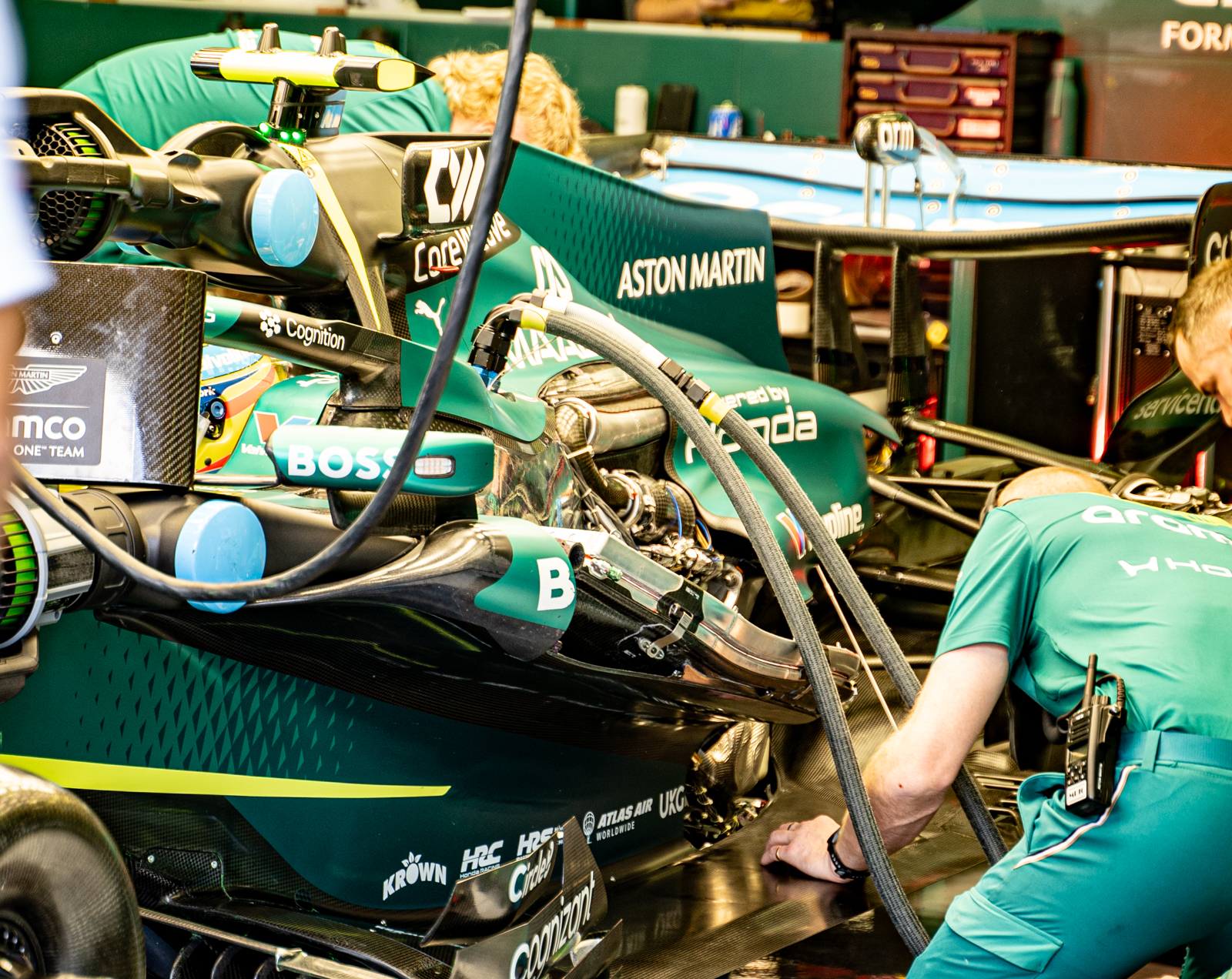
According to Orihara, Honda’s in-house development work began back in 2023, with the Aston Martin partnership getting underway soon after. “The power unit has been developed with the team, because the power unit design comes from the car demand,” he explained, with the caveat: “Adrian Newey had a lot of requirements and Honda was keen to listen to those demands and meet those demands as much as possible. We have spent three years [on this] and I think the relationship is quite strong.”
But how do you balance the design intent of someone like Adrian Newey and the practical realities of producing a reliable power unit with the correct performance?
“It’s a good question,” mused Orihara. “It’s important to find the compromise point. But Adrian Newey is the best designer, and if the demand comes from Adrian Newey, Honda will respect that demand as much as possible. Sometimes, if it is impossible from a reliability viewpoint, we may say no. But, if we see a negative performance effect but total [car] performance is increased by the demand, we will respect the demand. It [power unit design] is defined by lap time demand, but also by Adrian demand.” 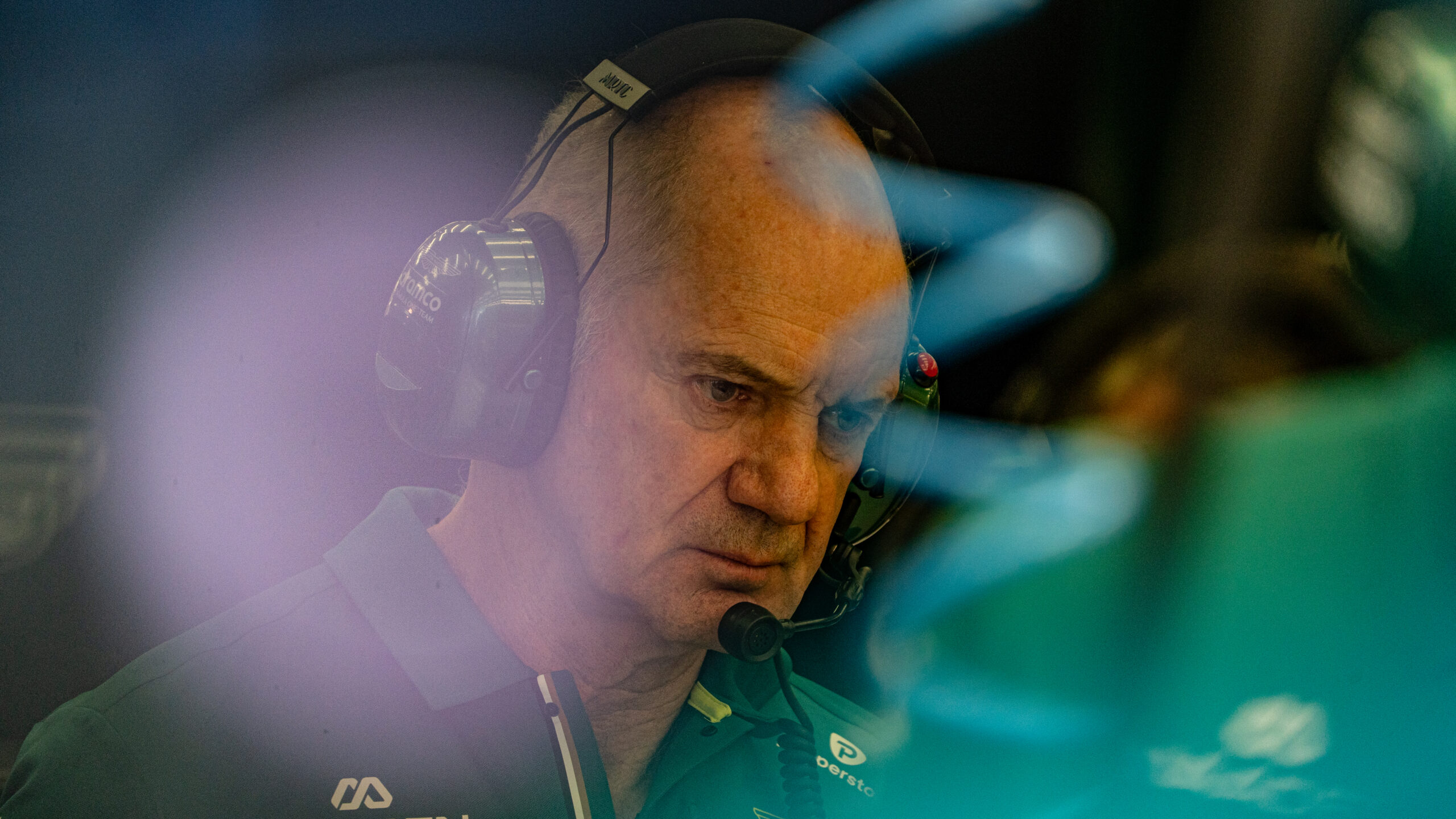
Combustion challenges
Looking at the ICE side of the power unit, Ohirhra singled out the loss of the MGU-H as “a complete game changer”. Previously, he said maximising H performance was everything, as increased output enabled longer deployment of the MGU-K throughout a lap. “If we increased engine performance but that meant we lost MGU-H performance, then we couldn’t use that technology,” he said. “With the new regulations, and no MGU-H, we only need to focus on improving engine performance.”
Ohirhra also pointed to the still-present challenge of maximizing combustion efficiency with the added complication of working with 100% sustainable fuel: “The performance mainly comes from combustion, and for combustion performance, it is important that we can burn the fuel correctly, how we get energy from the fuel.” While there has always been a close relationship between power unit manufacturers and fuel partners, the ties are closer than ever before.
“It is not only doing the testing, but we also need a very open mind to show them our dyno data,” Ohirhra said. “For example, normally on the dyno, we measure combustion pressure, which is super, super confidential, we are [now] sharing that type of information.”
Related, F1 2026 tech hub